Trading Guide for Beginners How to Start Successfully
· based on the channel Sierra Aaliyah
Trading is the process of buying and selling financial instruments such as stocks, options, and futures to generate profits. Contrary to popular belief, trading is not a get-rich-quick scheme but a skill that requires education, patience, and disciplined risk management. For beginners, starting trading in 2026 means understanding core concepts, choosing the right tools, and practicing consistently before risking real money. You can join Sierra Aaliyah's Crystal Academy Discord for guided support and community learning.
What Trading Actually Is and What It Is Not
Trading involves speculating on price movements of assets to earn profits. It is not gambling or a lottery but a calculated activity based on analysis and strategy. Beginners often confuse investing with trading; investing is long-term holding, while trading focuses on short-term opportunities. Starting with realistic expectations and acknowledging risk is essential. Many traders fail initially because they misunderstand trading psychology and risk management.
Calls vs Puts and Options vs Futures Explained
Options are contracts giving the right to buy (calls) or sell (puts) an asset at a set price before expiration. Calls profit when the asset price rises; puts profit when it falls. Futures are agreements to buy or sell assets at a future date for a predetermined price, obligating both parties. Options provide flexibility and limited risk (premium paid), while futures carry higher risk and potential reward. Beginners should evaluate their schedule and risk tolerance when choosing between options and futures.
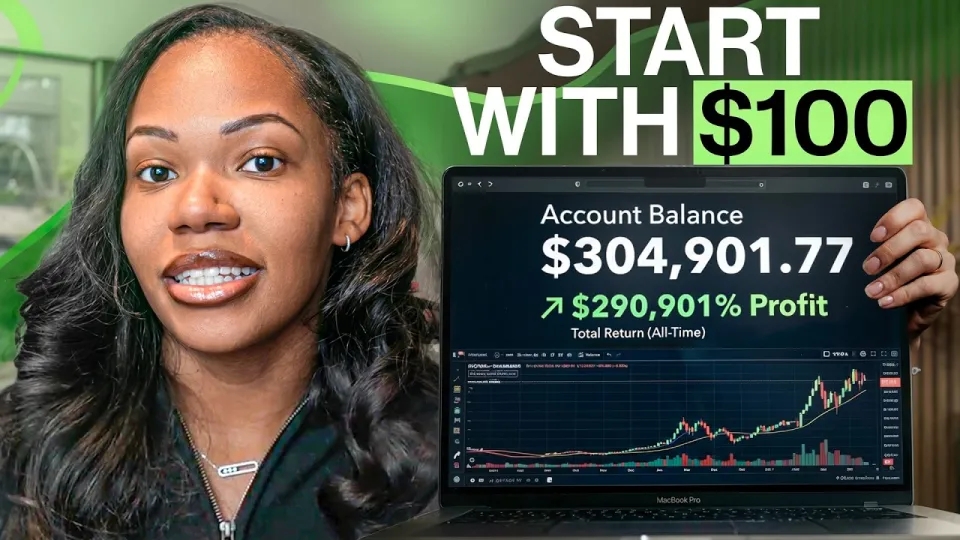
Video: How To Start Trading As A Beginner In 2026 (Step-by-Step)
Essential Tools for Beginners: Brokers and Charting Platforms
Choosing the right broker and charting platform is critical. Sierra Aaliyah recommends Webull due to its beginner-friendly interface, commission-free trading, and free stock promotions available through her referral link: https://www.webull.com/k/SierraUSA. For chart analysis, TradingView offers accessible and powerful charting tools suitable for new traders learning to read candlesticks and market structure.
The Three Key Concepts Every Beginner Must Master
- Risk Management: Never risk more than 1-2% of your trading capital on a single trade to protect your account from big losses.
- Market Structure: Understanding support, resistance, trends, and volume helps identify high-probability setups.
- Trading Psychology: Controlling emotions, avoiding impulsive decisions, and maintaining discipline are vital for consistency.
Why Beginners Quit and How to Avoid It
Most beginners quit within the first two months due to losses, frustration, and unrealistic expectations. Common pitfalls include overtrading, lack of strategy, and chasing quick profits. To avoid this, start with paper trading to simulate real trades without risking money. Only transition to live trading after consistent success in paper trading. Patience and continuous learning separate successful traders from quitters.
Common Questions and Concerns in Beginner Trading
Many new traders struggle with analyzing charts, managing losses, and maintaining consistency. It's normal to experience setbacks and doubts. Support communities and mentorship, like those provided by Sierra Aaliyah's Crystal Academy, can offer guidance and accountability. Also, focusing on longer timeframes rather than minute-by-minute charts reduces stress and improves decision-making.
Useful Links
- Crystal Academy Discord for mentorship and community: https://whop.com/c/crystal-academy/youtube
- Webull broker sign-up with free stocks: https://www.webull.com/k/SierraUSA
- Sierra Aaliyah Instagram: https://www.instagram.com/sierra.aaliyah/
- Sierra Aaliyah TikTok: https://www.tiktok.com/@sierraxliyah
Conclusion
Starting trading as a beginner requires a solid foundation of knowledge, realistic goals, and disciplined practice. Leveraging the right tools like Webull and TradingView, mastering risk management, and understanding market structure are essential steps. Paper trading before risking real money builds confidence and skills. The journey is challenging but achievable with patience and support. For comprehensive guidance and community, Sierra Aaliyah's Crystal Academy remains a valuable resource to help new traders succeed in 2026 and beyond.
Key takeaways
- Start trading with $300 to $2,000 recommended capital
- Understand calls vs puts and options vs futures
- Use paper trading to practice risk-free
- Master three key trading concepts before live trading
- Webull and TradingView are top beginner-friendly platforms
Questions & answers
How much money do I need to start trading?
You don't need a large amount to start trading. It's recommended to begin with $300 to $2,000 to manage risk effectively while learning. Starting small helps you practice without risking significant capital.
What is the difference between calls and puts in options trading?
Calls give you the right to buy an asset at a specific price before expiration and profit when the price rises. Puts give the right to sell at a specific price and profit when the price falls. Understanding this helps tailor your strategies to market movements.
Why do most beginners quit trading early?
Many beginners quit due to losses, emotional stress, and unrealistic expectations of quick profits. Lack of proper risk management and inadequate preparation also contribute. Consistent practice with paper trading and patience are key to overcoming these challenges.
Is trading a way to get rich quickly?
No, trading is not a get-rich-quick scheme. It requires education, discipline, and time to become consistently profitable. Approaching trading as a skill-building process rather than a quick money opportunity is crucial for long-term success.
Source: How To Start Trading As A Beginner In 2026 (Step-by-Step) · Markdown version