Solana Token Launch — Launching Safely or Falling for a Rug Pull
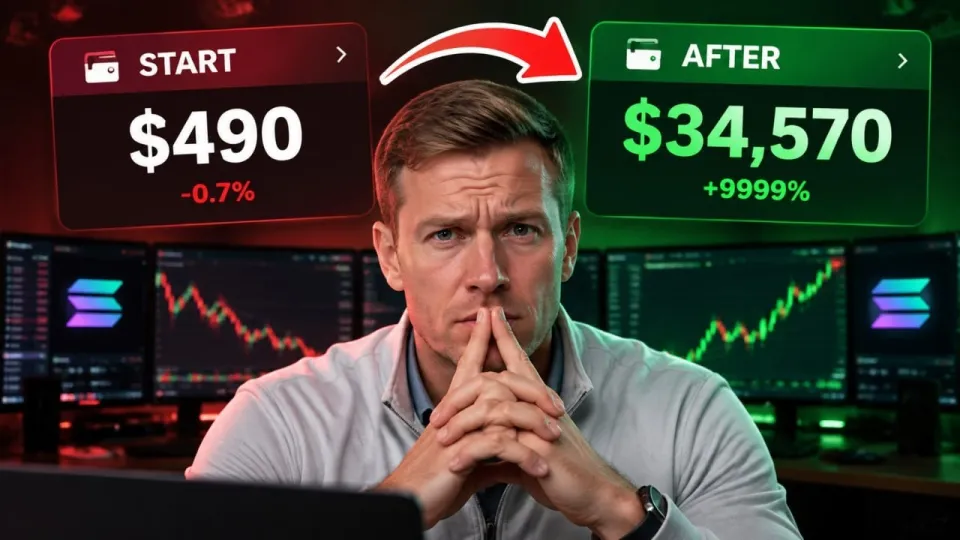
Video: Rug Pull Strategy: Solana Token Launch & Rug Pull Risks
· based on the channel TU ANDROID. COM
A Solana token launch is the process of minting an SPL token and pairing it with liquidity on a DEX so it can be traded, and doing it safely means verifying liquidity locks, revoked mint and freeze authorities, and holder distribution before buying; skipping those checks is exactly how rug pull losses happen. Platforms such as funrug.cc let anyone create and launch a meme coin in minutes, which is why the same mechanics that make launches easy also make exit scams easy. This guide breaks down how Solana meme coin launches work, how rug pulls are executed, and which checks separate a real project from a trap.
What a Solana token launch actually involves
A Solana token launch is a short sequence of on-chain actions, not a long development process. Most meme coins follow the same path:
- Token creation. An SPL token is minted with a chosen name, ticker, and total supply — often 1 billion units, with six decimals, matching the convention of earlier meme coins.
- Metadata. Name, symbol, and logo are attached through the Token Metadata program so wallets and charting tools display the coin properly.
- Liquidity pool. A portion of the supply is paired with SOL on a DEX such as Raydium or an automated market maker, which sets the opening price.
- Trading opens. The pool becomes tradable, and bots monitoring new listings can buy within the same block.
- Marketing. Social channels, Telegram groups, and paid promotions push the ticker to retail buyers.
Because steps one through three can be completed in minutes with no code, the barrier to launching a token on Solana is close to zero. That is the core reason the network hosts so many meme coins — and so many scams.
How a rug pull works on Solana
A rug pull is the deliberate removal of value from a token by its creators, usually by draining the liquidity pool or dumping a hidden supply. On Solana the pattern is well documented:
- Liquidity removal. The deployer holds the LP tokens, withdraws the SOL from the pool, and the price collapses to near zero because there is nothing left to trade against.
- Mint authority abuse. If the mint authority was never revoked, the developer can mint unlimited new tokens and sell them into the pool.
- Freeze authority abuse. If the freeze authority is active, holder accounts can be frozen, preventing sales while the dev exits.
- Dev wallet dumping. A wallet that received a large allocation at launch sells into buyer demand, often through multiple wallets to hide the trail.
- Fake chart gains. Wash trading and bot activity can create the appearance of organic volume, pulling in buyers who then become exit liquidity.
A single malicious action is enough. Liquidity removal is the most common, because it requires no additional code — only the LP tokens, which the deployer usually controls by default on no-code launch tools.
Warning signs buyers most often overlook
Warning signs are observable before you buy, but they require checking the contract rather than the chart. The most frequently missed signals are:
- Unlocked liquidity. If LP tokens are not burned or locked in a vesting contract, the deployer can withdraw at any moment.
- Active mint authority. A token that can be inflated at will has no fixed supply, regardless of what the website claims.
- Active freeze authority. This gives the creator power over your ability to sell.
- Concentrated holdings. A handful of wallets holding most of the supply can crash the price with one sell.
- Fresh dev wallets. Funding patterns that link the deployer to previous failed launches are a recurring red flag.
- Hype without substance. Promises of guaranteed returns and aggressive Telegram marketing are marketing, not evidence.
Beginners tend to focus on social proof — follower counts, influencer mentions, meme quality — while the technical permissions that determine whether they can exit are ignored. That gap is exactly what rug pull operators rely on.
Bots, snipers, and why entries happen late
Bots dominate the first seconds of a Solana token launch, and understanding them explains why retail buyers often enter at the worst price. Automated scripts watch for new pool creation and buy in the same block, before most humans see the ticker. This produces a sharp initial spike, followed by a pullback as bots take profit. Traders arriving from social media typically buy during or after that spike, which means their cost basis is set by automated flow rather than by any assessment of the project. Some launch platforms and tools offer anti-bot settings or trading delays, but they change the timing rather than the underlying risk. The practical consequence is simple: by the time a token is trending, the earliest and cheapest entries are already gone.
A practical checklist before interacting with a new token
A checklist converts vague caution into specific steps, and it takes only a few minutes per token. Before buying any new Solana meme coin, verify:
- Liquidity status. Confirm the LP is burned or locked, and check how much SOL actually backs the pool.
- Mint and freeze authority. Both should be revoked; if either is active, treat the token as high risk.
- Holder distribution. Look at the top wallets — large single holdings or clusters of related wallets are a warning.
- Deployer history. Check whether the creating wallet has launched tokens that later collapsed.
- Trading behavior. Extreme volume with few holders often indicates wash trading rather than real demand.
- Exit plan. Decide in advance at what point you sell, because liquidity can disappear faster than any chart signal.
None of these checks is a guarantee. Authorities can be revoked and liquidity can be locked after launch, but permissions can also be structured to look safe while leaving a backdoor. The checklist reduces exposure; it does not eliminate it.
Common questions from traders evaluating new launches
Traders evaluating new launches tend to ask the same things, and the answers are consistent. Is a locked liquidity pool proof of safety? No — it limits one attack path but says nothing about mint authority, holder concentration, or the deployer's intent. Can a token with revoked authorities still be a scam? Yes, through coordinated wallet dumps or by abandoning the project after extracting fees. Why do some tokens pump and then die within minutes? Because bot-driven buying and selling creates a spike that has no organic demand behind it. And is there any way to know a rug pull is coming? Not with certainty — the point of the check is to identify the conditions that make one possible and size your position accordingly.
Conclusion
A Solana token launch is technically trivial and that is precisely why the risk is structural rather than accidental: the same tools that let a creator mint a token in minutes also let them remove its liquidity in seconds. The difference between a launch and a rug pull is rarely visible in the chart — it lives in contract permissions, liquidity locks, and wallet behavior. Treat every new meme coin as unverified until you have checked those details yourself, and never let hype substitute for verification. The channel TU ANDROID. COM breaks down these mechanics in its video on Solana token launches and rug pull risks, and it is a useful starting point before you put capital at risk. If you want to see how the launch side works in practice, the platform linked here is funrug.cc — study the mechanics before you use them.
Key takeaways
- Most Solana meme coins are launched via no-code platforms that mint an SPL token and open a liquidity pool in minutes.
- A rug pull typically removes liquidity or dumps developer-held supply, leaving buyers with a token that has no exit.
- Key safety checks: liquidity locked or burned, mint and freeze authority revoked, holder distribution, and dev wallet activity.
- Automated bots snipe new pools within seconds, so retail entries often happen after the first price spike.
- No on-chain check guarantees safety — contract permissions and liquidity status can change after launch.
Questions & answers
What is the single biggest warning sign of a Solana rug pull?
Unlocked liquidity is the most direct one, because the deployer can withdraw the pool at any moment and leave buyers unable to sell. Active mint authority is a close second, since it allows unlimited new supply to be created and dumped. Checking both takes less than a minute on a block explorer.
Can a token still be a scam if the mint and freeze authorities are revoked?
Yes. Revoked authorities remove two specific attack paths, but they do not prevent coordinated wallet dumps, wash trading, or the team simply abandoning the project. Holder distribution and deployer history remain relevant even when the contract permissions look clean.
Why do new Solana meme coins spike and then crash so quickly?
Automated bots buy new pools within the same block as launch, which drives a sharp initial spike that is not backed by organic demand. When those bots take profit, the price falls back, and retail buyers who arrived from social media are often left holding the position. This pattern is about mechanics, not sentiment.
Is it worth launching a meme coin on Solana at all?
Launching is technically easy and cheap, but the legal, reputational, and financial risks are real, and many jurisdictions regulate token sales. Anyone considering it should understand the mechanics fully, be transparent about supply and liquidity, and avoid the structures associated with rug pulls. Educational material is a starting point, not a license to operate.
Source: Rug Pull Strategy: Solana Token Launch & Rug Pull Risks · Markdown version